

In an era where technology ceaselessly changes the world around us, unmanned aerial vehicle operators find themselves at the cutting edge of the drone age, changing various sectors and redesigning the airspace. With the flexibility and advancements that unmanned aerial vehicles bring, these skilled operators take on varied tasks, ranging from surveying landscapes to shooting stunning aerial videos. Yet, dealing with the challenges of drone operation requires more than a love for flying but also an extensive understanding of regulations, expertise, and safety guidelines.
As the need for aerial services grows, so does the need for UAV operators to master in the subtleties of their art. Including understanding the Federal Aviation Administration's Part 107 waivers for nocturnal operations and operations over people to mastering the complexities of regulated airspaces via the low altitude authorization system, the path of a drone operator is one of continual growth and adjustment. This article investigates the critical competencies, effective methods, and technical knowledge that UAV handlers must have to excel in this dynamic field, paving the way for a fresh breed of aerial innovators.
FAA Regulations and Waivers
Understanding the FAA's regulations can be challenging for unmanned aerial vehicle operators, notably when it comes to specific operations like flying at night and operations over people. While the Federal Aviation Administration has set clear rules under Part 107 regulations, many professional UAV operators seek waivers to broaden the capabilities of their drone operations. These waivers allow operators to operate under conditions that would otherwise be prohibited, enabling a greater variety of applications in multiple fields.
To successfully get a waiver, it is important for pilots to thoroughly understand the requirements needed by the FAA. An successful waiver application must demonstrate how safety will be upheld despite flying outside the standard rules. This could encompass providing comprehensive operational plans, risk evaluations, and any necessary certifications. The process can be lengthy, but being thoroughly prepared can significantly boost the likelihood of approval.
For operators looking to operate in regulated airspace, using the LAANC system is essential. This system simplifies the process of obtaining the necessary authorizations to operate in designated areas, ensuring adherence with airspace regulations. Knowing how to properly use LAANC can ease the operational planning, allowing UAV operators to concentrate on carrying out their flights securely and effectively.
Tactical Issues and Remedies
Drone pilots face various technological issues, particularly when navigating guidelines set forth by the Federal Aviation Administration. For Drone Pilots Cawdor Inverness-shire in point, understanding how to secure Federal Aviation Administration Part 107 exemptions for nocturnal operations and activities over people can be intimidating. Pilots must thoroughly submit their applications, providing comprehensive safety procedures and risk assessments to ensure conformity. This process offers an occasion for pilots to show their skills while expanding their operational capabilities under the broad framework of rules.
Another essential area of interest is the need to coordinate with the FAA for managed airspace access. Utilizing the Low Altitude Authorization System (LAANC) platform is vital for drone pilots to obtain the specific documentation necessary for flying in these regions. By diligently employing this technology, pilots can enhance their flight planning processes and safely combine their missions within restricted zones, ultimately boosting their effectiveness and adherence.
Additionally, understanding the technology is essential for operators, particularly with respect to the calibration of devices and technologies. Magnetic interference significantly affects drone compass and IMU alignments, affecting flight stability and reliability. Understanding how to counter these effects not only improves flight security but also boosts data quality during missions. Operators can achieve this by consistently assessing environmental factors and applying correct adjustment techniques, ensuring reliable operation in various environments.
Commercial Operations and Optimal Practices
In the realm of business drone operations, grasping regulatory compliance is essential. Pilots must navigate FAA Part 107 exemptions particularly for night flying and operations over people, ensuring they meet specific paperwork criteria for clearing controlled airspace. Employing the Low Altitude Authorization and Notification Capability (LAANC) system facilitates this procedure, allowing operators to operate inside regulatory bounds while optimizing operational flexibility.
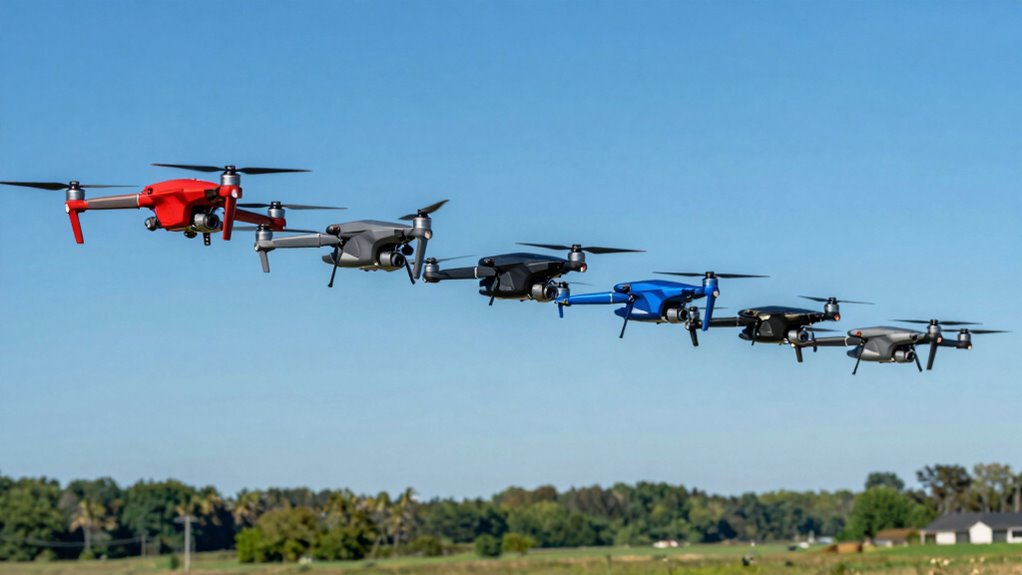
Furthermore, UAV operators need to maintain stringent maintenance routines to enhance safety and efficiency. Frequent rotor inspections and balancing are essential for high-RPM performance, while effective cleaning techniques for camera sensors and gimbal bearings ensure optimal image quality. Adapting to environmental factors, such as wind and temperature effects on flight duration, is vital for planning missions and informing clients about practical operational times.
Lastly, meticulous record-keeping plays a vital role in promoting integrity in commercial operations. Creating a professional flight log not only aids in clarity for insurance audits but also establishes trustworthiness in the eyes of clients. By leveraging real-time telemetry data, operators can avoid potential flyaways, maintaining flight integrity. Grasping the operational nuances, from battery management to GPS correction systems, ultimately differentiates a proficient drone pilot.