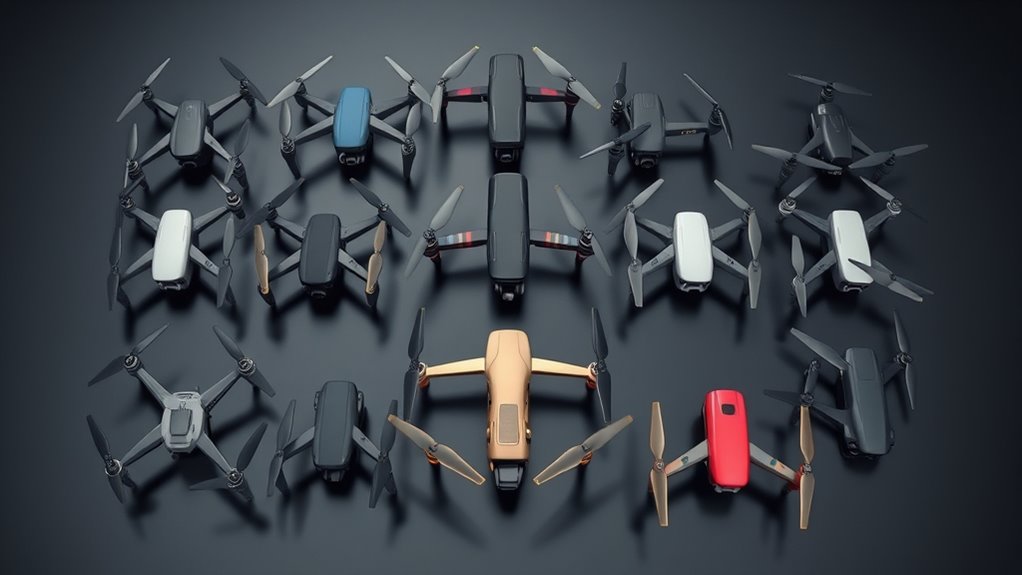
The rise of drone technology has changed multiple industries, creating a new type of professionals: UAV pilots. Beginning with aerial photography to mapping and land surveying, these skilled individuals are taking to the skies to provide groundbreaking solutions that were once deemed unachievable. As Drone Pilots Cawdor Inverness-shire for drone services continues to soar, aspiring pilots must manage a challenging landscape of rules, technology, and industry standards to thrive in this growing field.
To excel as a drone pilot, one must not only master the technical components of flying but also understand the often complex legal requirements imposed by organizations such as the Federal Aviation Administration. Understanding FAA Part 107 waivers for night flying and operations over people is just the tip of the iceberg. The requirement for precise documentation when conducting drone flights, especially in controlled airspace, cannot be dismissed. This piece will explore the key skills and knowledge necessary for contemporary UAV operators, from ensuring compliance with regulations to optimizing flight performance and capturing breathtaking imagery. If you are a veteran pilot or just beginning, the insights presented here will improve your understanding of this rapidly changing profession.
Exploring FAA Regulations for Drone Operations
Understanding Federal Aviation Administration rules is crucial for emerging UAV operators who desire to operate lawfully and effectively. The Federal Aviation Administration Part 107 rules provide a detailed framework for commercial drone flights, covering important aspects such as pilot certification, flight limitations, and air traffic classifications. For example's sake, managing Federal Aviation Administration Part 107 exemptions can permit operators to fly at night or perform operations over populated areas, which are typically prohibited under normal rules. Acquainting oneself with the waiver procedure is imperative for those seeking enhance their flying abilities.
An important part of planning drone operations is acquiring the essential permissions to operate in restricted air traffic. The Federal Aviation Administration has simplified this procedure through the Low Elevation Authorization and Notification System (LAANC) system. This enables UAV operators to send paperwork quickly and receive real-time approvals to fly in designated restricted areas. By understanding the particular requirements required for these authorizations, pilots can ensure adherence and reduce the likelihood of disruptions during operations.
Drone pilots must be mindful of multiple factors that can impact their flights, including electromagnetic disturbance and its effects on navigational and Inertial Motion System adjustments. Proper knowledge and adjustment for these variables can avoid navigational mistakes that may lead to loss of control or incidents. Additionally, frequent checks and maintenance routines, such as monitoring battery condition or verifying firmware refreshes, play a major part in ensuring safe and legal UAV flights, supporting the guidelines established by the FAA.
Technical Aspects for Drone Operation
Grasping the technological specifications of drones is crucial for effective operation, particularly in business uses. Various drones come equipped with either type of mechanical or electronic or mechanical shutters, which can significantly affect image, especially in mapping situations. Being aware of the actual differences between these shutter kinds can assist pilots select the right drone for specific tasks, ensuring top results when taking aerial images.
Calibration and maintenance play critical roles in drone activities. Factors like magnetic disturbances can individually impact the drone's compass and IMU calibrations, which are crucial for consistency and direction. Pilots must also be diligent about battery management, as knowing what counts as acceptable battery degradation is key to safe operation. Routine checks and service of components such as camera sensors and gimbal bearings are equally crucial to maintain efficiency and dependability.
Planning flights cannot be understated, particularly when operating in restricted airspace. Using LAANC for instantaneous airspace authorizations is essential for compliance, while being aware of how airspace classifications restrict unmanned flight elevations near local airports protects both the pilot and the public. Pilots should also be equipped for the nuances of real-time telemetry data, which can avoid dangerous situations like flyaways by providing critical alerts during flight.
Optimal Guidelines for Professional Drone Operations and Maintenance
Securing security and compliance during drone operations begins with a thorough pre-flight check. This includes checking the UAV's power capacity, examining the blades for wear, and making sure all sensors and optics are operating at peak performance. Additionally, being aware of the regulations outlined in FAA Part 107 is important, particularly when navigating exemptions for night flights and operations over individuals. Maintaining a organized flight log can also help document preparations and assist in fulfilling insurance audit standards.
Frequent maintenance is crucial for prolonging the life of your UAV gear. This involves cleaning and maintaining camera devices and gimbal components to guarantee the best image quality, as well as regularly checking for signs of battery degradation to prevent incidents during flight. Conducting regular software upgrades is an additional crucial element, as these can enhance your UAV’s performance while making sure that configurations are preserved. Staying current with the newest tech trends also helps in adjusting to improvements in drone capabilities.
Lastly, operator training plays key role in successful operations. Understanding the principles of GPS correction systems such as RTK and PPK, and their effects on detailed mapping will enhance operational efficiency. Pilots should also be familiar with interpreting AeroNav VFR sectional charts for effective airspace planning and steering clear of limitations near local airports. Drone Pilots Alvie Inverness-shire contributes to more secure flights but also helps in maintaining visual contact with visual spotters, making sure compliance with official standards.